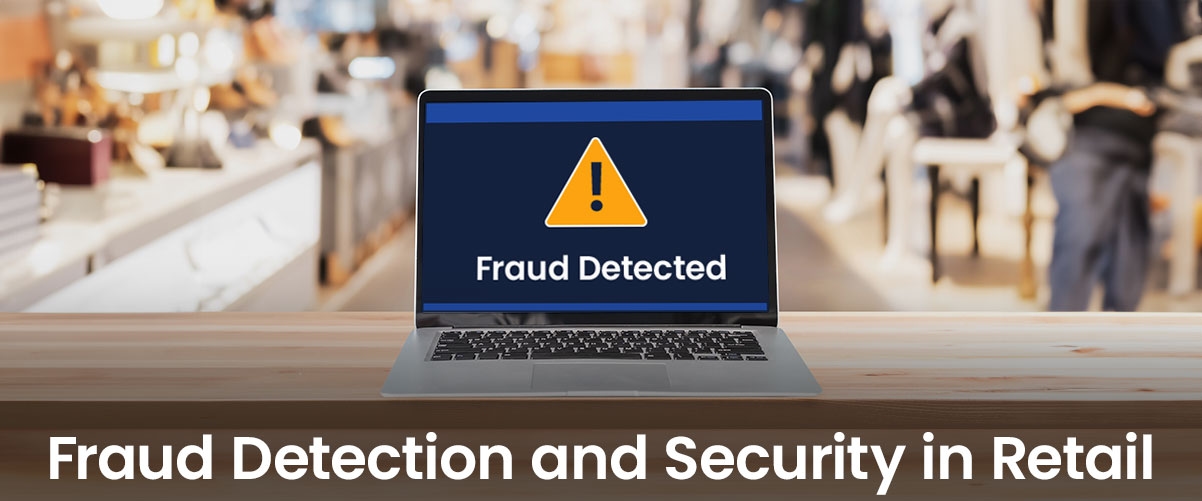
In the fast-paced world of retail, where transactions occur at lightning speed and customer data is constantly flowing, ensuring robust fraud detection and security measures has become imperative. With the rise of e-commerce and digital transactions, retailers face increasingly sophisticated threats from cybercriminals seeking to exploit vulnerabilities in their systems. In response to these challenges, many retailers are turning to cutting-edge technologies such as Artificial Intelligence (AI) – also known as AI in Retail – and Machine Learning (ML) to strengthen their defenses and safeguard their businesses and customers.
What are ML and AI in Retail?
(Artificial Intelligence) AI for retailers involves using automation, data, and technologies like machine learning algorithms to provide consumers with personalized shopping experiences in both physical and digital stores. Whereas machine learning (ML) involves implementing self-learning computer algorithms that are intended to analyze large datasets, find pertinent metrics, patterns, anomalies, or cause-and-effect relationships between variables, and ultimately gain a deeper understanding of the dynamics that shape this sector and the environments in which retailers operate. These advancements highlight the critical role of innovative retail software solutions in addressing the evolving security challenges faced by modern retailers.
Emergence of AI & ML as Powerful Tools
ML and AI in retail have emerged as powerful tools in the fight against fraud in the sector. By leveraging AI and ML algorithms, retailers can enhance their fraud detection capabilities and stay one step ahead of cybercriminals. Additionally, the implementation of AI and ML technologies within (Point-of-Sale) POS software systems further enhances retailers’ capabilities to detect and prevent fraudulent activities, ensuring secure transactions and protecting sensitive customer information
One of the key advantages of AI and ML in fraud detection is their ability to adapt and evolve over time. Traditional rule-based systems are limited by predefined criteria and may struggle to keep pace with rapidly changing fraud patterns. In contrast, AI and ML algorithms can continuously learn from new data, refine their models, and detect emerging threats more effectively. This adaptive approach enables retailers to detect and mitigate fraud more efficiently, reducing the risk of financial losses and reputational damage.
ML and AI in retail industry are also being used to enhance security measures across the retail ecosystem. From online payment gateways to point-of-sale systems, retailers are deploying AI-powered solutions to detect and prevent unauthorized access, data breaches, and other security threats. Advanced authentication methods such as biometric recognition and behavioral analysis are becoming increasingly common, providing an extra layer of protection against fraudsters.
In addition to detecting fraud and enhancing security, AI and ML technologies can also help retailers improve the overall customer experience. By analyzing customer data and transaction histories, retailers can gain valuable insights into consumer behavior, preferences, and purchasing patterns. This data-driven approach enables retailers to personalize their marketing strategies, recommend relevant products, and offer targeted promotions, enhancing customer satisfaction and loyalty. Moreover, retailers may anticipate sales with artificial intelligence (AI) and machine learning by examining data on past sales, industry trends, and consumer behavior. This allows retailers to make well-informed business decisions and in planning their personnel and inventory levels.
Furthermore, AI and ML can play a crucial role in optimizing inventory management and supply chain operations, reducing the risk of fraud and theft within the retail environment. But how do you make your e-commerce business fraud-proof? This is where Ordazzle’s AI-powered Anomaly Detection function comes into play. Its proprietary Machine Learning algorithm helps you isolate the abnormal or deviant new orders to be later reviewed and released for execution or cancellation. This helps you avoid any outlier orders that might be fraudulent further improving your inventory for normal orders.
Want to know more about ETP’s anomaly detection functions?
Potential Challenges of AI & ML in Retail
Despite the numerous benefits of AI and ML in fraud detection and security, retailers must also be mindful of potential challenges and ethical considerations. As these technologies become increasingly integrated into retail operations, concerns around data privacy, algorithmic bias, and transparency have come to the forefront. Retailers must ensure that they adhere to strict data protection regulations, implement robust security measures, and conduct regular audits to maintain trust and credibility with their customers.
How can the Government support adoption of AI in retail?
While AI presents promising prospects for enhancing marketing and operational efficiency, it’s crucial to employ it ethically and transparently. This requires a supportive policy framework addressing data privacy, security, and ethical considerations while fostering innovation.
Governments can facilitate the adoption of AI for retailers by investing in vital infrastructure and digital connectivity, supporting research and development efforts, and fostering collaboration between industry and academia. Additionally, governments can offer incentives and offers to retailers for implementing AI, and promote AI education and training programs to upskill the workforce, enabling them to effectively collaborate with AI systems.
In conclusion, AI in retail industry and ML are revolutionizing fraud detection, empowering retailers to combat fraud, protect sensitive data, and enhance the overall customer experience. By leveraging the power of these advanced technologies, retailers can stay ahead of emerging threats, mitigate risks, and build a more secure and resilient business environment. Moreover, ETP’s retail solutions integrate seamlessly with AI and ML capabilities, providing retailers with comprehensive tools to streamline operations, enhance security, and optimize the customer journey in today’s rapidly evolving retail landscape. As the retail landscape continues to evolve, AI and ML will undoubtedly play an increasingly central role in shaping the future of fraud detection and security in the digital age.
If you are seeking a reliable retail software solution. ETP is undoubtedly the best choice for maximizing efficiency and ensuring success in your retail business ventures.
- Làm thế nào để tích hợp cửa hàng trực tuyến và cửa hàng truyền thống thành một trải nghiệm khách hàng thống nhất và liền mạch (mà không phải mất hàng tháng trời để giải quyết những rắc rối liên quan đến việc tích hợp).
- Tận dụng các thông tin chi tiết dựa trên AI để quản lý hàng tồn kho, giảm thiểu lãng phí và tối đa hóa doanh số trên mọi kênh.
- Các ví dụ thực tế về cách nền tảng của ETP hiện đang mang lại hiệu quả có thể đo lường được và sự gia tăng đáng kể về doanh thu cho các nhà bán lẻ hàng đầu.