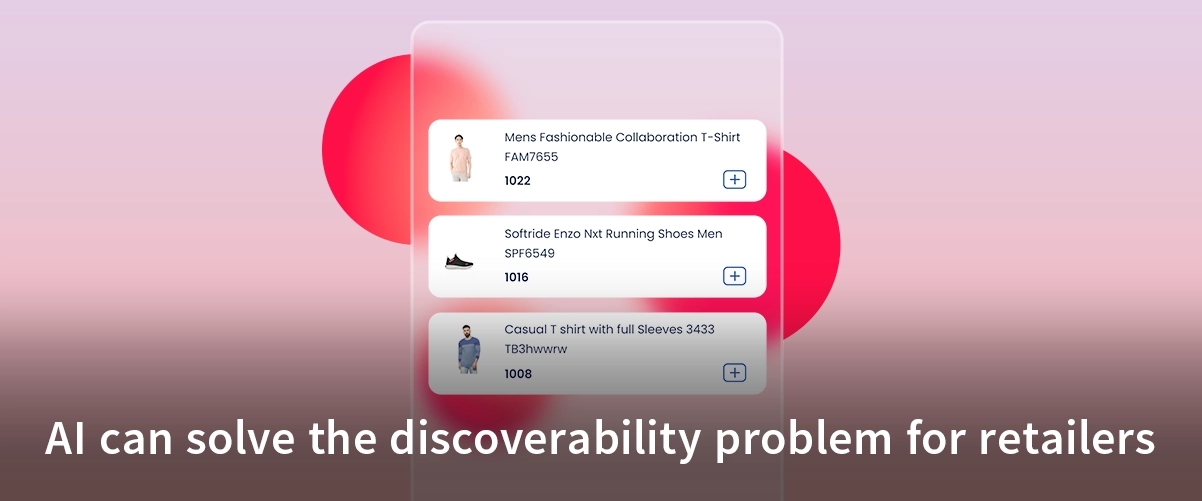
In today’s digital age, consumers have access to an unprecedented amount of information. However, this abundance of choice has also created a new challenge: discoverability. Retailers, both big and small, struggle to connect with their target audience and ensure that their products are found by the right people at the right time.
The root of this problem lies in the language gap between customers and brands. Customers often use natural language to describe their needs and preferences, while brands use product descriptions and keywords optimized for search engines. This mismatch can lead to missed opportunities and frustrated customers.
The Role of AI in Bridging the Gap
Artificial Intelligence (AI) has emerged as a powerful tool to address this language gap and improve discoverability for retailers. By leveraging advanced algorithms and machine learning techniques, AI can help retailers understand the nuances of customer language and match it to the appropriate products.
Here are some specific ways AI can be used to solve the discoverability problem:
Natural Language Processing (NLP):
- Semantic Search: NLP enables retailers to understand the underlying meaning of customer queries, beyond just matching keywords. This allows them to identify relevant products even if customers use different phrasing or synonyms.
- Sentiment Analysis: By analysing customer reviews and social media conversations, retailers can gain insights into customer sentiment and preferences. This information can be used to refine product descriptions and marketing strategies.
- Intent Recognition: AI can identify the intent behind customer queries, whether they are looking for a specific product, seeking advice, or simply browsing. This helps retailers provide more targeted recommendations and personalised experiences.
Machine Learning:
- Product Recommendations: Machine learning algorithms can analyse customer purchase history, browsing behavior, and demographic information to recommend relevant products, helping customers discover new items and increasing sales.
- Personalised Search: By understanding individual customer preferences, machine learning can personalise search results to deliver more relevant and engaging experiences, reducing the time needed for customers to find what they need.
- Dynamic Pricing: AI-powered dynamic pricing algorithms can optimise pricing strategies based on real-time demand, competitor pricing, and customer behavior, helping retailers stay competitive and maximise revenue.
Computer Vision:
- Visual Search: Computer vision allows customers to search for products using images rather than text, which is especially useful for fashion and home decor retailers where visual aesthetics are crucial.
- Image Recognition: By analysing product images, AI can identify relevant attributes and keywords, making it easier for search engines to index and rank products.
How AI is Revolutionising Retail Operations
Artificial Intelligence (AI) is reshaping the retail landscape, offering innovative solutions to optimise operations and enhance customer experiences. By harnessing the power of AI, retailers can gain deeper insights into their business, make data-driven decisions, and streamline processes.
- Predictive Analytics for Enhanced Demand Forecasting: AI-powered predictive analytics empower retailers to accurately forecast demand, optimising inventory levels and preventing stockouts or overstocking. By analysing historical sales data, market trends, and external factors, AI algorithms can predict future demand with remarkable precision, enabling informed procurement, production, and pricing decisions.
- Supply Chain Optimisation for Efficient Operations: AI is revolutionising supply chain management by streamlining operations and reducing costs. Machine learning and advanced analytics allow retailers to optimise inventory, improve order fulfillment, and minimise transportation costs, freeing up valuable time and resources.
- Enhancing In-Store Experience with AI-Powered Solutions: AI transforms the in-store shopping experience through personalised recommendations, efficient checkout processes, and improved customer service. Computer vision can analyse customer behavior to provide tailored recommendations, while AI-powered self-checkout systems streamline the checkout process and reduce wait times.
- Combatting Retail Theft with AI-Driven Surveillance: AI-powered surveillance systems combat retail theft by detecting suspicious behavior in real-time, alerting security personnel, and optimising store layout to address high-theft areas with targeted security measures.
The Future of AI-Powered Discoverability
As AI technology continues to advance, we can expect even more innovative solutions to the discoverability problem. Some potential future developments include:
- Voice-Activated Search: Voice assistants powered by AI enable customers to search for products using natural language, making the shopping experience even more convenient.
- Augmented Reality (AR) and Virtual Reality (VR): AR and VR can provide immersive shopping experiences, allowing customers to visualise products in their own environment.
- AI-Powered Chatbots: Chatbots provide real-time customer support, answer questions, and offer personalised recommendations.
By embracing AI, retailers can bridge the language gap between brands and customers, improve discoverability, and ultimately drive sales and customer satisfaction.
- 如何将您的线上商店和实体店整合为一个统一、连贯的客户体验(无需经历长达数月的系统集成烦恼)。
- 利用AI驱动的洞察力来管理库存、减少浪费,并最大限度地提高各渠道的销售额。
- ETP平台目前如何为领先零售商带来可量化的效率提升和显著的营收增长,以下是一些实际案例。