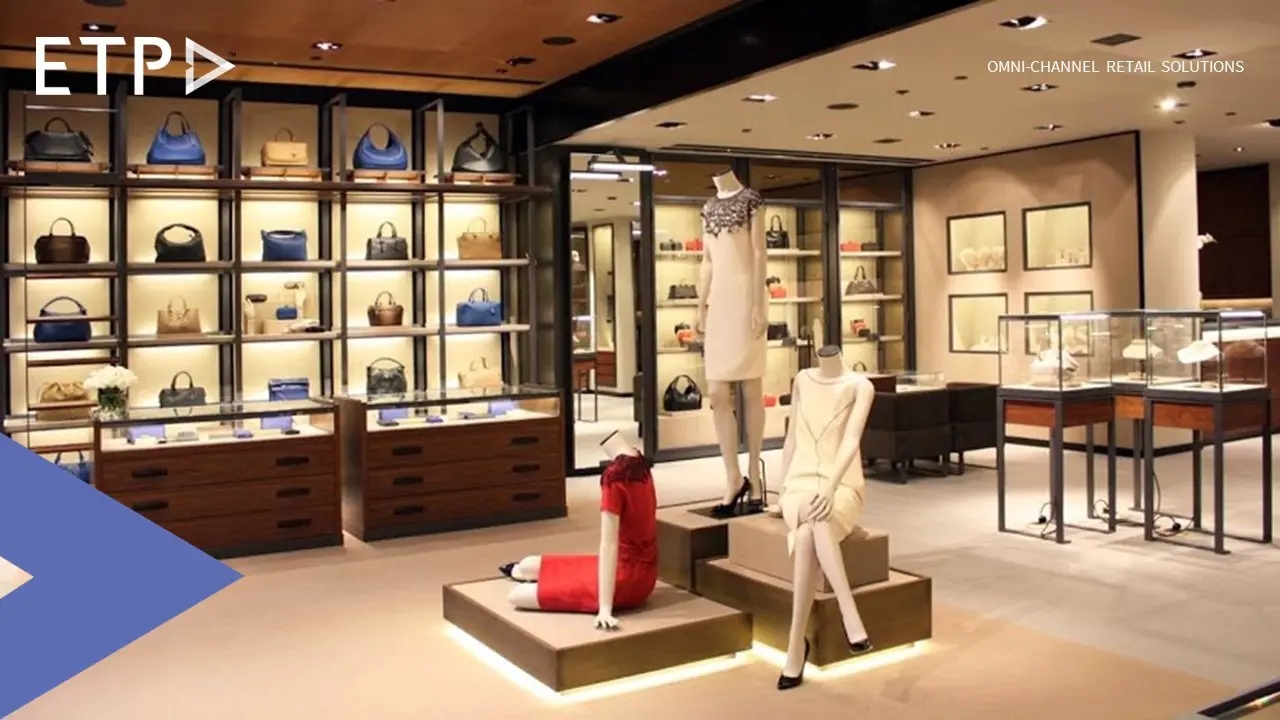
Luxury products have always been one of the most admired and sought after products. So much so, that consumers of such products take pride in their possessions and are often considered to be of a higher class. They and their products are the ‘talk of the town’ most of the times in social gatherings and people like to be associated with such class conscious, brand loving and luxury seeking consumers. Luxury products therefore had few options and demanded a high cost of purchase deliberately tailored to a select set of consumers.
But now times have changed thanks to rapidly changing consumer mindsets and the very idea of “luxury” is evolving. The old-fashioned ideas that defined luxury as aspirational, high status, exclusive, wealthy, don’t really paint the exact picture of what customers perceive about luxury products. One of the drastic changes over the recent years is that the new age luxury isn’t for showoff. Similarly other values that luxury brands exclusively attributed to, such as better quality and style, precise workmanship and great designs, are not exclusive any more to luxury.
Consumers’ tastes are evolving. There is an indisputable appeal for new products and services along with more choice of options yet having the flavor of uniqueness and exclusivity. This has given rise a various breeds of brands such as specialized ones and those that are highly customized to customer demands, thus increasing competition.
Further, along with changing tastes, customer shopping patterns and buying behavior have undergone a tremendous transformation. Traditionally, luxury shoppers heavily relied on physical retail to fulfill their desire for luxury goods. But now, multiple channels have come into the game and customers willingly switch between channels to get what they want. Seamless demand fulfillment across channels necessitates the reduction of various issues such as decrease in quality or other losses that are caused during the course of the supply chain. While older shoppers are still playing a significant role in the luxury market spends, millennials and Gen Zs are predicted to account for the larger growth in the coming years. Moreover, their new spending habits which are faster, more frequent, brand-conscious and trend-driven while being highly influenced by digital platforms.
All these are the modern day challenges that luxury retail businesses, especially the ones still depending heavily on the heritage and traditional processes are facing and there is one way out. They need to transform their retail businesses to omni-channel and employ the right omni channel retail software to exceed their customer expectations and fulfill their business goals.
Also Read: Moving From E-Commerce To Omni-Channel – Top 3 Challenges
- วิธีรวมร้านค้าออนไลน์และร้านค้าจริงของคุณเป็นประสบการณ์ลูกค้าที่กลมกลืนเป็นหนึ่งเดียว (โดยไม่ต้องเสียเวลาหลายเดือนไปกับการบูรณาการที่ยุ่งยาก)
- ใช้ข้อมูลเชิงลึกจาก AI เพื่อจัดการสต็อก ลดการสูญเสีย และเพิ่มยอดขายให้สูงสุดในทุกช่องทาง
- ตัวอย่างจากโลกจริงที่แสดงให้เห็นว่าแพลตฟอร์มของ ETP กำลังช่วยเพิ่มประสิทธิภาพที่วัดได้และเพิ่มรายได้อย่างมีนัยสำคัญให้กับผู้ค้าปลีกชั้นนำ